
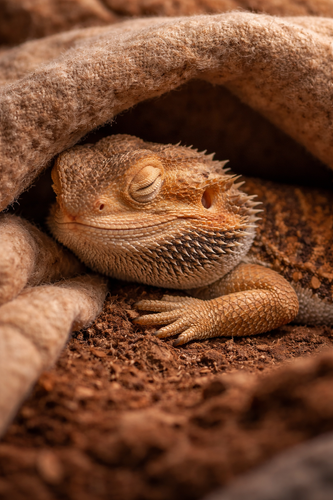
Brumation: What It Means for Your Reptile (and How to Handle It Like a Pro)
26th Mar 2026
Brumation: What It Means for Your Reptile (and How to Handle It Like a Pro)
As temperatures drop, many reptiles start slowing down—and for some owners, it can feel a bit worrying. One day your reptile is smashing crickets, the next it’s barely moving. What’s going on?
Welcome to brumation—a completely natural process that affects many reptiles during the cooler months.
What is Brumation?
Brumation is often compared to hibernation, but it’s not quite the same.
Reptiles don’t fully “sleep” like mammals. Instead, their metabolism slows right down in response to:
- Cooler temperatures
- Shorter daylight hours
- Seasonal changes
During this time, your reptile may:
- Eat very little (or stop completely)
- Become less active
- Spend more time hiding or sleeping
- Move only occasionally
Totally normal—and usually nothing to stress about.
Which Reptiles Brumate?
Not all reptiles will brumate, but many common Australian species do, including:
- Bearded dragons
- Blue tongue lizards
- Shinglebacks
- Some monitors
- Many snake species (like pythons)
That said, every animal is different. Some will go into full brumation, while others just slow down a bit.
When Does Brumation Happen?
In Australia, brumation typically occurs during:
Autumn through winter (April–August)
Indoor reptiles may still follow this cycle—even with heating—because they respond to natural light and seasonal cues.
Feeding During Brumation
This is where most owners get unsure.
If your reptile is healthy and entering brumation:
- Appetite will drop naturally
- Don’t force feed
- Avoid leaving live insects in the enclosure
Top tip:
Make sure your reptile has emptied its digestive system before fully cooling down.
Stock up on reliable feeders like
Heating & Lighting Adjustments
You don’t want to suddenly switch everything off—but you can ease things back.
- Slightly reduce daylight hours
- Maintain a safe temperature range
- Keep UVB available, even if they’re not using it as muchonsistency is key—no extreme changes.
Need to refresh your setup? Check out lighting options:
Health Checks (Very Important)
Brumation should look like a slow-down—not illness.
Keep an eye out for:
- Rapid weight loss
- Runny stools
- Discharge from nose or mouth
- Lethargy outside of seasonal timing
If something feels off, it’s always worth checking with a reptile vet.
Best Foods to Have on Hand
Even if your reptile isn’t eating much, it’s smart to be prepared.
Great options include:
- Dried insects – long shelf life, easy backup
? mealworms, black soldier fly larvae, fruit, flower and insect mixes - Insect purees – perfect for easy feeding and variety
? Silkworm, hornworm, cricket, dubia, watermelon, banana - Frozen foods – convenient and ready when needed
? Rats, mice, quail, rabbits, chickens, insects.
Coming Out of Brumation
When spring approaches, your reptile will start waking up.
What to do:
- Gradually increase lighting and heat
- Offer small meals first
- Reintroduce live foods slowly
- Ensure fresh water is always available
- Browse full range to get ready for spring feeding:
Final Thoughts
Brumation can feel strange the first time, but it’s a natural and healthy part of a reptile’s life cycle.
The key is simple:
Stay observant, don’t panic, and let nature do its thing.